
In recent years, the construction industry has seen significant advancements in the development of concrete products, driven by new technologies, environmental concerns, and the demand for more efficient building solutions. Modern concrete is no longer limited to traditional mixes; instead, it now includes high-performance, fiber-reinforced, self-compacting, and eco-friendly variants that improve strength, durability, and sustainability. These innovations allow construction companies to complete projects faster while maintaining higher quality standards.
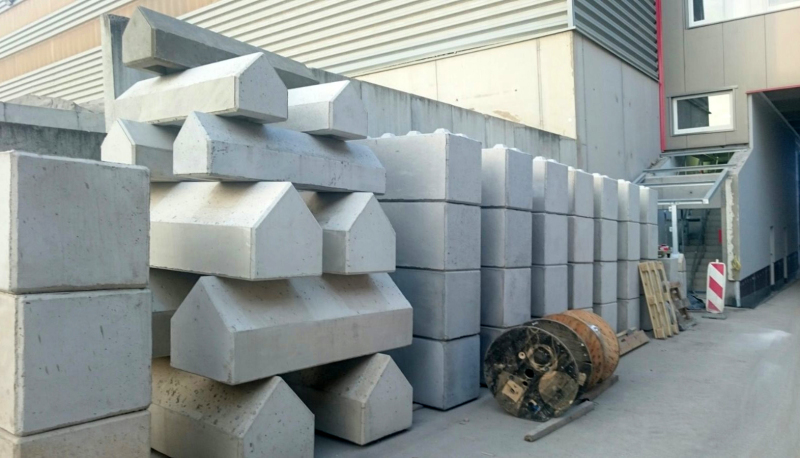
One major advancement is the use of precast and prefabricated concrete systems. These systems involve manufacturing concrete components in controlled concrete products factory environments before transporting them to construction sites for quick assembly. This method reduces construction time, minimizes waste, and ensures consistent product quality. It is especially useful for large infrastructure projects such as highways, bridges, tunnels, and industrial buildings where precision and speed are essential.
Another important development is the introduction of green concrete. This type of concrete is designed to reduce environmental impact by using recycled materials such as fly ash, slag, and crushed concrete. It also helps lower carbon emissions associated with cement production, which is one of the major contributors to global CO₂ levels. Green concrete supports sustainable construction practices and is becoming increasingly popular in eco-conscious building projects around the world.
Fiber-reinforced concrete is another innovation that enhances the performance of traditional concrete. By adding steel, glass, or synthetic fibers, the material gains improved tensile strength, crack resistance, and durability. This makes it suitable for structures that experience heavy stress or dynamic loads, such as roads, airport runways, and earthquake-resistant buildings.
Self-compacting concrete (SCC) is also gaining popularity due to its ability to flow easily into complex forms without the need for mechanical vibration. This not only speeds up construction but also improves surface finish and reduces labor costs. It is widely used in projects where dense reinforcement is present or where high-quality finishes are required.
Looking toward the future, concrete products are expected to become even more intelligent and sustainable. Researchers are exploring smart concrete that can detect cracks, monitor structural health, and even repair itself using embedded bacteria or special chemical compounds. These innovations could significantly increase the lifespan of structures and reduce maintenance costs.
In conclusion, the future of concrete products is closely tied to innovation and sustainability. As technology continues to evolve, concrete will remain a fundamental material in construction while becoming stronger, greener, and more efficient. These advancements ensure that concrete products will continue to support the growing needs of urban development and modern infrastructure worldwide.